
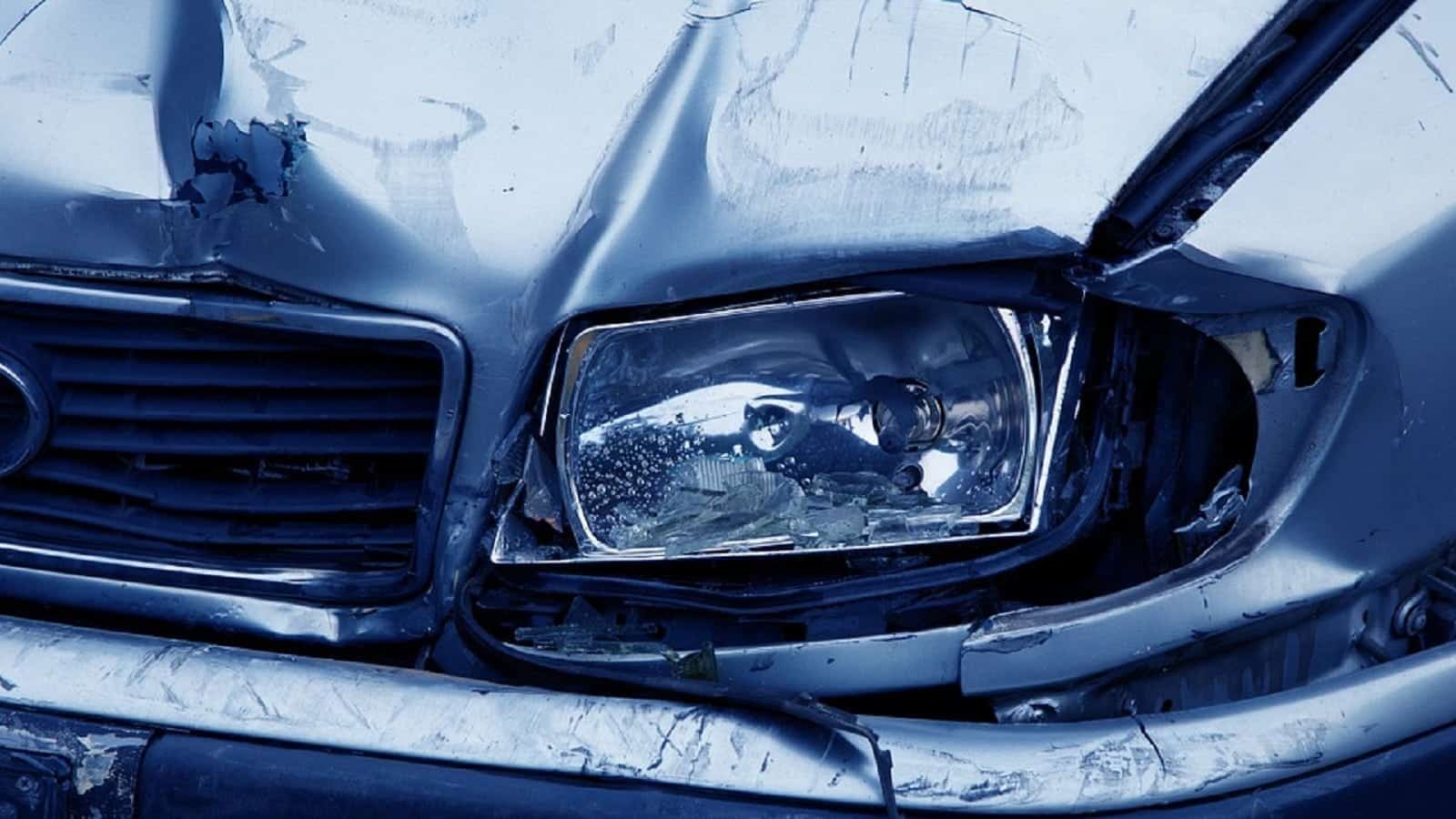


It’s hard for the people of Acadiana to turn on the news these days without seeing headlines on a “wreck on Ambassador Caffery,” “crash near ULL,” or “accident by Pinhook.” And with over 800,000 hit and run accidents continuing to happen every year across the United States, chances are you or someone you know has been the victim of one and was thrown completely into a tailspin.
If you’ve been involved in an accident like a hit and run Louisiana accident, the moments right after the crash can feel chaotic. Your heart may be racing, your mind scattered, and you may be unsure what to do after a hit and run to protect your health, your family, and your ability to make an insurance claim.
Educating yourself about what to do in a hit and run can make all the difference. Quick steps like calling law enforcement, documenting the scene of an accident, and seeking medical care help protect your rights and improve the chances of recovering compensation.
Keep this step-by-step guide handy so you know what to do and how to move forward if you’re ever a victim of a Louisiana hit and run.
Key Takeaways
- Call 911 first. Your health and safety come before everything.
- Write down anything you remember about the fleeing driver or vehicle, including the license plate number or license number if possible.
- Take photos of damage, injuries, and nearby landmarks, signs, or intersections to document the scene of an accident.
- File a police report as quickly as possible.
- Talk to a Louisiana personal injury lawyer to understand your options, even if the driver isn’t found.
- Contact your insurance company to verify your uninsured motorist coverage.
When documenting the accident and protecting your rights, be sure to collect information from all drivers involved. This information is crucial for insurance claims and can help authorities identify the responsible party. Even though the driver of the hit and run accident may have fled, do your best to document everything you can recall about the type of vehicle (make, model, color), and license plate, if known.
The Rise of Hit and Run Accidents
Hit and run crashes have been increasing nationwide; you may even know several people, from friends and co-workers to your husband or wife, who have been victims of a hit and run accident.
While the numbers fluctuate slightly per year, the National Highway Traffic Safety Administration estimates there are over 800,000 hit-and-runs every year in the United States. In fact, in a study on Hit-and-Run Crashes, the AAA Foundation for Traffic Safety reported that one hit and run happens every 43 seconds in the United States, which is a very serious crime, potentially impacting millions of victims each year.
In Louisiana, leaving the scene is a criminal offense under RS 14:100, with penalties ranging from fines to jail time depending on the severity of the crash. Each hit and run case carries specific legal consequences and criminal penalties, which may include mandatory fines or imprisonment, especially if the driver was intoxicated or impaired.
Despite these laws, hit and run crashes continue to occur, with contributing factors like distracted driving, unlicensed or uninsured motorists, or drivers attempting to avoid legal or financial repercussions.
Louisiana’s mix of busy metropolitan areas and rural highways adds complexity to these cases, since many collisions take place in locations where witnesses may be limited or visibility is poor. Identifying the responsible party is crucial for both legal and insurance purposes, as it determines liability and the ability to pursue damages or legal action. While it’s not always possible, it’s essential to try.
What to Do After a Hit and Run in Louisiana: Step by Step
A hit and run in Louisiana is especially devastating for families. If you have children in the vehicle, you’re juggling their safety, school routines, childcare, and transportation while also trying to make the right legal decisions. Having a simple plan to follow helps you stay grounded during a stressful situation.
Under Louisiana law, the driver of a vehicle is required to stop at the scene, provide their identity, and to render reasonable aid to anyone injured. Hit and run Louisiana accidents can be some of the hardest cases when the at-fault driver leaves the scene. The law imposes a legal obligation to render aid at the scene, and failing to do so can result in serious criminal and civil consequences. Your ability to recover damages often comes down to what you do in the minutes and hours after the crash, including identifying the vehicle involved for both legal and insurance processes.
Call 911 and Stay Safe
Move your vehicle out of traffic if possible and turn on your hazard lights. Call 911 immediately and request medical assistance if anyone appears injured, including children. Some injuries do not show symptoms right away, and kids often cannot express what hurts.
It is important to remain at the scene of the accident until authorities arrive, as leaving can hinder evidence collection and may have legal consequences.
Ask the dispatcher for a report reference number, which will help when you file your insurance claim.
Write Down What You Remember
When the other driver flees, every detail becomes important. Try to note:
- Color, make, or model of the other vehicle
- A license number, any license plate digits (even partial ones), or even notes about the license plate design
- Visible damage on the fleeing vehicle
- Direction they traveled
- Time of day and traffic conditions
If you have family members with you, write down their observations as well. Sometimes passengers notice details the driver misses.
Take Photos of the Scene
Photograph your damage, surrounding debris, skid marks, traffic signals, and anything that shows how the crash happened.
Documenting the event resulting in property damage or injury is crucial for both legal and insurance purposes.
Important Note: Why this Matters to Acadia Drivers in Louisiana
Busy, high-traffic areas make it easier for hit-and-run drivers to slip away. In Lafayette, for example, intersections like Ambassador Caffery Parkway and Johnston Street see heavy congestion, lane changes, and fast merges. This is only going to increase, as constant construction and improvements like the Ambassador Caffrey Interchange project evolve.
A single image of lane markings or signage can help investigators understand the path of the fleeing vehicle. If children were in the car, take photos of their seating positions, car seats, visible injuries, or signs of emotional distress, if possible. These images can support both medical care and insurance documentation.
If anyone nearby saw the crash, ask for their contact information. Witness statements often become critical in hit and run Louisiana accidents.
File a Police Report
Louisiana law requires a police report for crashes involving injury, death, or significant property damage. Filing as soon as possible strengthens your case and helps law enforcement track the at-fault driver. Thorough documentation in a police report can be critical for any future criminal investigation and may serve as evidence if there is potential present or actual or potential present criminal liability.
A police report is also crucial for uninsured motorist coverage. Insurance companies typically will not process a hit and run claim without a police report; your hit and run attorney in Lafayette or Metairie will ask for it, too.
Contact Your Insurance Company
Let your insurer know you were involved in a hit and run Louisiana accident. Stick to the facts of what happened and avoid guessing or accepting blame. If you feel more comfortable, consult with a local personal injury attorney first to help guide you.
Uninsured Motorist Coverage (aka “(UM”)
Many Louisiana drivers have UM coverage, which can help pay for:
- Medical care
- Lost wages
- Pain and suffering
- Vehicle repairs
UM coverage protects you when the at-fault driver has no insurance or cannot be identified, which is common in hit and run cases. For families already managing school schedules, childcare, and daily expenses, UM coverage helps prevent one unexpected injury from becoming a financial crisis.
Medical Payments Coverage and Collision Coverage
In addition to UM, some drivers have optional coverages such as Medical Payments Coverage or Collision Coverage.
- Medical Payments Coverage can help pay for immediate medical expenses regardless of fault.
- Collision Coverage may help cover vehicle repair costs after a hit and run.
Understanding which coverages apply can make a stressful situation easier to manage and can help protect your financial stability while you heal. If you don’t have uninsured motorist coverage (or insurance at all), consult with your auto accident attorney about other available options.
City vs Rural Hit and Run Situations
Hit and runs happen everywhere, but how they unfold can differ. Knowing what to do in hit and runs in general is important, but where it takes place can change how you approach your documentation.
Legal consequences for hit and run incidents can be much more severe if the vehicle operator consumed alcohol, was under the influence of a controlled dangerous substance, or if a controlled dangerous substance prior to the accident or a controlled dangerous substance contributed to the incident.
In many cases, a political subdivision prohibiting operation of a vehicle under such conditions will impose stricter penalties, especially if there are prior convictions or if impaired driving is involved.
The Louisiana Department of Transportation and Development reported that crash detection and reporting times vary significantly between urban and rural areas, which can affect how quickly help arrives and how much evidence remains available. These differences can influence how easily the driver is identified and how the case is handled by law enforcement.
Urban Areas (Lafayette, Metairie, New Orleans)
Urban hit and runs often involve higher traffic volumes, faster lane changes, and more complex intersections. More vehicles may be present to witness the crash, but the higher density also gives a fleeing driver more opportunities to escape quickly in crowded conditions.
- More traffic means more witnesses but also more escape routes.
- Intersections are wider with more lanes, difficult turns, and faster merges.
- Cameras at lights and nearby businesses may help capture the event.
Rural Highways and Small Towns
In small towns across Acadia Parish, from Breaux Bridge to Carencro, the roads are wide, the traffic is light, and help can be far away. That slower pace is part of the charm, but it also makes documenting a hit and run more challenging. In many rural spots, there aren’t nearby cameras or bystanders to help confirm what happened (unless it’s during a busy community event like Rayne’s annual Frog Festival!)
- Fewer witnesses make identifying the driver harder.
- Crashes sometimes go unreported for longer due to rural distances.
- Lighting may be poor, making details harder to capture.
Louisiana’s Most Accident-Prone Intersections
Some intersections across Acadia experience higher numbers of collisions due to traffic volume, lane complexity, or road design, particularly in Lafayette, Metairie, and the surrounding areas. That’s why being informed about potential risks of traveling through accident-prone intersections and documenting your exact location after a hit and run is so important.
For example, below are several Lafayette intersections that have been historically associated with higher collision rates, based on crash reports tracked by The Advertiser during a comprehensive study between 2017 and 2018.
Ambassador Caffery Parkway & Johnston Street
- Accident volume: approximately 9.3 crashes per month
- Why risky: Heavy restaurant and retail traffic, multi-lane turns, and high congestion
- Local reference: Often also called the “Caffery corridor,” near Acadiana Mall
West Pinhook Road & Kaliste Saloom Road
- Accident volume: 155 crashes in 18 months
- Why risky: Narrow lanes, fast traffic, and confusing turns
- Local reference: Near Bendel Gardens, within the Pinhook/Kaliste corridor
West Congress Street & Bertrand Drive
- Accident volume: 103 crashes over the same period
- Why risky: Six-lane intersection near ULL and hospital traffic
- Local reference: University and medical district, sometimes called the “University side”
Ambassador Caffery Parkway & Kaliste Saloom Road
- Why risky: Frequent lane drift in dual right-turn lanes
- Local reference: Part of the broader Caffery/Kaliste corridor
West Pinhook Road & Bendel Road
- Why risky: Tight dual right-turn lanes leading to sideswipes
- Local reference: Bendel Gardens residential stretch, southwest Lafayette
Hit and Run Accidents: Criminal vs Civil Consequences
Leaving the scene of a crash is a crime in Louisiana. Under current state law, penalties for a hit and run can include fines ranging from a few hundred dollars to several thousand dollars, license suspension, mandatory community service, and jail time. In cases involving serious injuries or fatalities, charges may escalate to felonies with significantly higher penalties.
There is an important distinction between a misdemeanor hit and a felony hit.
- A misdemeanor hit typically involves leaving the scene without causing death or serious injury, while a felony hit occurs when the accident results in serious bodily injury or death or serious bodily harm.
- Felony hit-and-run offenses can lead to severe penalties, including imprisonment with or without hard labor, especially when the direct result of the accident is serious injury or death.
A hit and run charge can be escalated if the driver knew their actions were the direct cause or direct result of bodily injury, serious injury, or death. If a driver has been previously convicted of offenses such as vehicular negligent injuring, DUI, or similar crimes on two or more occasions, penalties for a new offense may be significantly increased. Additionally, if the driver failed or intentional failure to stop, provide information, or render aid after an accident can lead to more severe charges and consequences.
Criminal charges hold the offender accountable, but they do not cover the medical bills, lost wages, or property damage you experience after the crash.
This is why civil claims and uninsured motorist coverage exist. They provide a path to financial recovery, even when the driver is never identified. Taking immediate steps and documenting everything matters as your case’a progress is an extremely important part of knowing what to do in a hit and run; hiring a hit and run accident attorney early in the process can also help ease the process of settling your claims.
Why You Should Consult a Lawyer After a Hit and Run
The sooner you consult with a local lawyer, the better chance you have of fair representation and a speedy recovery. Your hometown attorneys at The Law Offices of Blaine Barrilleaux offer a free consultation to discuss your case and help you understand your options.
A Louisiana personal injury lawyer can help you:
- Communicate with the police
- Coordinate witness statements
- Handle insurance negotiations
- Get any UM benefits you’re owed
- File a civil claim if the at-fault driver is identified
- Help you recover compensation for your injuries, property damage, and emotional trauma
For parents and other caretakers, having representation that knows what to do in hit and run lifts a heavy burden. While you focus on your children’s well-being, your lawyer manages the paperwork, investigation, and insurance deadlines.
Louisiana Hit and Run FAQs
Is it still legal to help if the driver is never found?
Yes. Many hit and run Louisiana cases rely entirely on UM coverage. A lawyer can still pursue compensation.
Will not calling the police hurt my case?
It may. Insurance companies require a police report for UM claims.
Should I post about the accident on social media?
Avoid it. Adjusters may try to use posts against you.
Can I still file a claim if I didn’t go to the doctor right away?
Often yes. Delayed symptoms are common, but documentation helps.
Does it matter if the hit and run happened in Lafayette vs a rural area?
Yes. Evidence availability, witnesses, and visibility differ by location. Collect as much as you can while it’s fresh on your mind.
Get Help From the Law Offices of Blaine Barrilleaux
Whether you’re driving through Lafayette, Metairie, or a rural Louisiana highway, our team helps you understand what to do after a hit and run and protects your right to compensation.
If you’re feeling overwhelmed after a hit and run accident, contact us online for a free case review today or give us a call: Lafayette area | (337) 989-1212, Metairie area | (504) 323-9000